
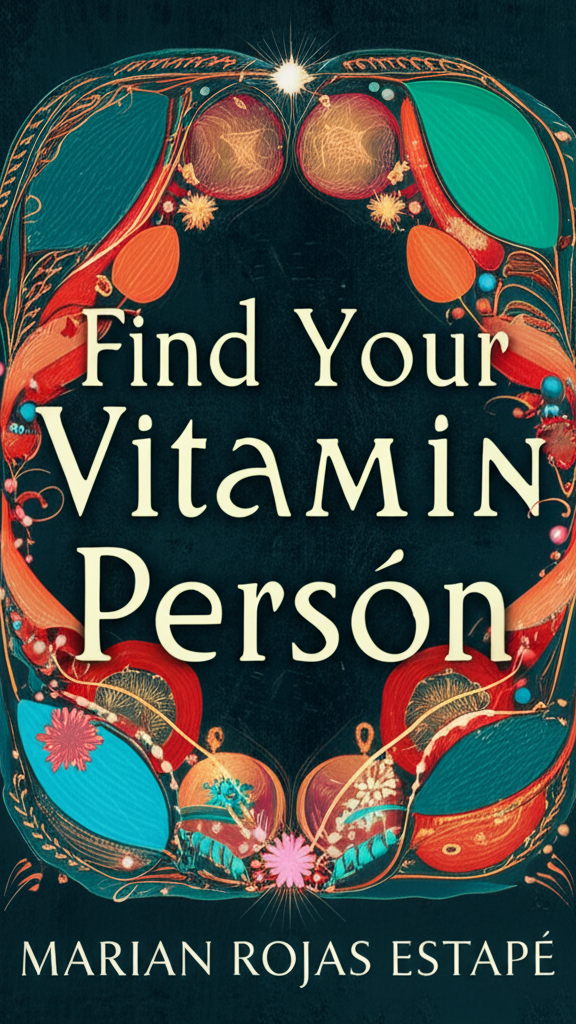
The Chemistry of Connection
Have you ever wondered what makes a hug feel so good, or why a simple act of kindness can completely change your day? There's a powerful, unseen force at play in these moments, a special chemical messenger in your brain called oxytocin. Often called the "love hormone," oxytocin is the secret ingredient behind our feelings of connection, trust, and empathy. It’s the invisible thread that weaves our relationships together, making them strong and meaningful.
The effect of oxytocin is powerful and fast. Think about a crying baby who is immediately soothed when held and fed. In that moment, oxytocin is working its magic, lowering the stress hormone cortisol and transforming a scary world into a place of safety and comfort. This same process happens to us as we get older. When a friend gives you a hug after a tough day, or a family member offers a word of encouragement, your brain releases oxytocin, washing away stress and filling you with a sense of calm and well-being. [12]
I have learned that there is more power in a good strong hug than in a thousand meaningful words. [6]
You've probably noticed that some people are especially good at making you feel this way. These are your "vitamin people." Just by being themselves, with their warmth and positive energy, they naturally boost the oxytocin levels in those around them. They create an atmosphere of trust and support, which not only feels great but can also help everyone perform better, whether it's in a school project or on a sports team. In a world that can often feel stressful and disconnected, these individuals are more important than ever.
So, the next time you share a laugh with a friend or offer a helping hand, remember that you're not just being nice—you're tapping into a fundamental biological force. Love and connection, in all their forms, are not just feelings. They are essential for our health and happiness, shaping our lives in ways we are only just beginning to understand. Let's take a closer look at how this incredible hormone quietly influences your world every single day.
Our Hidden Connectors: Hormones and Heart
Imagine there's a secret ingredient in our bodies that makes special moments feel truly meaningful. It's called oxytocin, and even though you can't see it, this powerful chemical helps turn simple pleasure into something much deeper and more lasting.
Oxytocin doesn't just make us feel good; it also creates an invisible connection, like a strong, unseen rope tying us to another person. This is why physical intimacy can become a deeply emotional experience. But remember, our bodies are like complex machines where everything works together – no single part acts alone.
Now, let's talk about testosterone. This hormone often fuels our drive to compete and achieve. While it might seem strange, sometimes high levels of testosterone can actually make it a bit harder to fully open up emotionally. For guys, having a lot of testosterone can sometimes mean they're less outwardly sensitive. However, big life events like getting married or becoming a dad often lead to a natural drop in testosterone, which can help bring out more caring and gentle sides.
In girls, testosterone levels naturally go up and down throughout their menstrual cycle. When it's higher, it can boost their desire and even sharpen their competitive edge during certain times.
Oxytocin also plays a huge role in motherhood. It actually changes a mother's brain, strengthening her natural instinct to protect her child. But if a new mom's oxytocin levels are too low, that vital connection can struggle. This imbalance can sometimes lead to postpartum depression, a serious condition affecting up to 20% of mothers, where emotions and body chemistry just can't find their footing.
Ultimately, all this shows us something super important: feeling loved and connected isn't just a nice bonus; it's a basic human need, just like food and water. Being lonely for too long doesn't just make us sad; it can actually make us sick. So, let's make an effort to build strong relationships, be kind to each other, and remember that connecting with other people is truly one of the best medicines out there.
We are wired for connection.
Your First Six Years: The Blueprint for Connection
Imagine your very first years, from the moment you're born. These early times are incredibly important because they lay the groundwork for how you'll connect with others throughout your entire life. Think about a baby snuggled close to a parent – that skin-to-skin contact isn't just nice, it actually triggers a special hormone called oxytocin. This hormone helps reduce stress and builds a strong, loving bond between the child and their caregivers. If this kind of close connection is missing early on, it can sometimes lead to feelings of insecurity or make it harder to form healthy relationships later. But here's the good news: even if those early bonds weren't perfect, it's absolutely possible to heal and grow with the right support over time.
We can see just how vital these early connections are by looking at some extreme examples. Back in 1989, when a dictator in Romania was overthrown, the world discovered thousands of children living in orphanages who had been terribly neglected. They didn't get much affection, often rocking themselves for comfort, and many suffered serious delays in brain development. However, later studies showed something amazing: when these children were adopted into loving families, many were able to catch up and recover a lot of their abilities. This powerful story shows us that love and consistent care truly have the power to transform and heal.
The homeland of man is his first six years of life.
A strong, secure way of connecting, what experts call 'secure attachment,' grows when a child feels truly safe, protected, and cared for. When you feel that kind of consistent love and attention, you start to develop confidence in yourself and learn to trust others. Parents who respond warmly and lovingly to their children's needs aren't just being kind; they're actually helping their kids become more independent and emotionally stable as they grow up.
It's true that our early experiences are incredibly influential, but they don't completely decide who we'll become or how we'll relate to everyone forever. We have the amazing ability to understand the patterns we've learned and actively work on them. By doing this, we can choose to build healthier, more thoughtful relationships that truly serve us well. Your past doesn't define your future when it comes to connection.
You are never too old to set another goal or to dream a new dream.
The Power of Early Bonds
When young children cry, it's not a trick or an attempt to manipulate; it's their way of signaling a genuine need. Think of it as their earliest form of communication, a call for help or comfort. When adults respond to these cries with warmth and affection, it does more than just soothe the child in the moment. It helps reduce their stress, builds a strong sense of security within them, and teaches them how to manage their own emotions as they grow. On the flip side, consistently ignoring a child's distress can actually increase their stress hormones, potentially making it harder for them to cope with challenges and form healthy emotional connections later in life.
Raising children with love doesn't mean shielding them from every difficulty. Instead, it involves setting clear, empathetic boundaries that help them understand the difference between what they truly need and what might just be a passing desire. Overprotecting a child, while well-intentioned, can actually make them feel less secure and less capable of handling frustration when they become adults. The key is to find a healthy balance between offering care and encouraging independence. This approach helps shape emotionally stable adults who can face life's obstacles without constantly needing approval or support from others.
It is not what you do for your children, but what you have taught them to do for themselves, that will make them successful human beings.
The quality of the emotional bonds we form in childhood significantly influences how we connect with people as adults. For instance, if someone grows up with caregivers who are often emotionally distant, they might develop an 'avoidant' style of attachment, leading them to suppress their own feelings and shy away from close relationships. Similarly, a chaotic or unpredictable upbringing can result in 'disorganized' attachment, which often shows up as unstable relationships and difficulties in managing strong emotions.
To be a 'vitamin adult' – someone who truly nourishes and supports others – means showing affection in meaningful ways, like through hugs, truly listening when someone speaks, and offering words that build their self-esteem. It also means guiding without overprotecting, allowing children to develop their own sense of independence. Teach them how to understand and manage their emotions, rather than trying to fix everything with gifts or avoiding difficult conversations. Building these healthy, supportive attachments with 'vitamin people' is crucial for helping individuals grow into happier, more balanced adults.
The Real Connection Cure
In today's world, where everything seems to be about sex and instant gratification, wanting genuine connection can feel like going against the grain. It's like society is shouting about sex from the rooftops while whispering about love and deep bonds.
Society has made love a taboo, while sex is displayed shamelessly.
Even with endless options for casual encounters, many people still feel a profound sense of emptiness. The promise of intense experiences without any strings attached often falls short. In fact, research suggests that sex without emotional intimacy can actually increase feelings of anxiety and make it harder to build meaningful relationships down the line. It's not about right or wrong, but about how our brains and emotions work together.
Dating apps have also contributed to this trend of superficiality. The constant cycle of swiping, judging, and moving on can leave people searching for validation but finding themselves stuck in a loop of fleeting connections that leave them feeling more alone than before.
And then there's the issue of pornography, which is everywhere and easily accessible. Studies have shown that it can actually change the way our brains are wired, lead to addictive behaviors, and create unrealistic expectations about intimacy. What should be a natural human experience can become a performance, completely detached from reality.
Ultimately, true connection is the only real antidote to loneliness. It's not about how many people you meet or how many brief encounters you have, but about the quality and depth of the relationships you cultivate. These are the bonds that truly sustain us.
What sustains us is not the number of encounters but the depth of the bonds we create.
The Evolution of Love: More Than Just a Spark
Love isn't simply a fleeting emotion; it's an adventure, a process that unfolds and deepens as time goes on. It transforms from that initial spark of attraction into a profound and steady connection between two people.
That initial 'love at first sight' feeling? It's often more about chemistry than some predetermined fate. Unconscious preferences and patterns draw us to certain individuals, creating that initial magnetic pull. However, building a genuine, lasting connection demands time, dedication, and conscious choices.
According to neurobiology expert Helen Fisher, it's wise to wait at least 17 months before making major life decisions with a partner, such as moving in together or getting married. This waiting period allows the intense feelings of infatuation to mellow, giving you a clearer perspective of who your partner truly is.
Biologically, love can be broken down into three distinct phases. First, there's desire, fueled by hormones like testosterone, which drives physical attraction. Next comes romantic love, a phase characterized by intense focus and obsession, where dopamine creates a euphoric high whenever you think about your partner.
Finally, attachment develops, a deep and enduring bond supported by oxytocin. This stage brings a sense of calm, security, and the bedrock for a long-lasting relationship. As the saying goes, "Love is not about how many days, weeks, or months you've been together, it's all about how much you love each other every day."
In the beginning, everything feels heightened and intense. But as time passes, true love becomes about commitment and the choices you make together. Passion might ignite the initial spark, but it's attachment that keeps the flame burning bright.
Building Your Relationship Pyramid
Picking someone to share your life with is a huge deal, but often we just go with the flow or let our feelings take the wheel without thinking if the relationship has what it takes to last. The pyramid theory gives us a smarter way to look at it, helping us figure out what really makes a relationship strong and steady.
Think of it like building a pyramid. The widest part at the bottom, our 'Criteria I,' is all about the must-haves. This includes things like shared core values, a similar sense of humor, and aligning on big life stuff like family and how you want to live. These are the non-negotiables that form the bedrock of your connection.
Then, moving up the pyramid, we have 'Criteria II.' These are the nice-to-haves – the things that add extra sparkle and fun to your life together, like enjoying the same music, having similar hobbies, or quirky habits you both appreciate. While they make life richer, they aren't the essential pillars holding everything up.
Knowing what's truly important helps your brain's built-in filter, called the Ascending Reticular Activating System (ARAS), kick in. It's like a spotlight, helping you spot the qualities you're looking for in a partner amidst all the noise of everyday life.
Clarity is the first step to achieving anything.
Beyond just compatibility, there are a few big topics that can cause serious trouble if you don't talk about them openly from the get-go. For instance, the whole idea of parenthood is a major one. If you avoid discussing it early on, you might end up with completely different expectations down the road that are impossible to reconcile. The same goes for fidelity – what does it truly mean to each of you? Setting clear boundaries and understanding each other's perspectives on this can save a lot of heartache.
Ultimately, building a relationship that lasts is about much more than just that initial spark. It's the daily work of communicating openly, understanding each other's feelings (empathy), and paying attention to the little things that truly create a strong and enduring bond.
The foundation of a strong relationship is built on trust and open communication.
The Gift of Deep Perception
Did you know that about 15% of people have a special way of experiencing the world? They're called highly sensitive people, or HSPs. Think of them as having a super-powered ability to notice and process everything going on around them. This means they pick up on subtle details and feelings that others might miss, making them incredibly perceptive and thoughtful.
These individuals don't just see the world; they feel it deeply. They experience their own emotions and the emotions of others with a remarkable intensity. This profound connection allows them to understand situations and people on a much deeper level.
However, this heightened awareness can sometimes be a lot to handle. Too much noise, activity, or emotional input can feel overwhelming, and HSPs often need quiet time alone to reset and recharge. Their strong empathy, while a beautiful quality, can also make them more susceptible to feeling anxious or insecure, especially when they absorb the feelings of those around them.
Sensitivity is not a weakness; it is a strength that allows us to connect with the world in a profound way.
It's crucial to see this sensitivity not as a flaw, but as a unique asset. When managed well, it can be a pathway to greater emotional intelligence and personal growth. In fact, many highly sensitive people have the potential to be like 'vitamin people' – those who bring energy, support, and warmth to others through their deep emotional connections.
For relationships to flourish, it's important for loved ones to understand how an HSP's emotional world operates. When partners and close friends grasp this, it builds a stronger foundation of mutual respect and understanding, helping to navigate any challenges and deepen the bond.
The most important thing in communication is hearing what isn't said.
Navigating Relationships: Finding Your Well-being Boosters
Imagine some people as sunshine – they brighten your day just by being around. Others, well, they're more like a storm cloud; their presence can leave you feeling drained and stressed. It's not that people are inherently 'bad,' but certain connections can create an emotional imbalance, much like a substance that overwhelms your system. While 'vitamin people' bring a sense of peace and boost your well-being, these other relationships can spike your stress hormones, impacting both your physical and mental health.
The first step to improving these dynamics is simply noticing how certain people make you feel. It's also a valuable exercise to reflect on whether you, at times, might be contributing to negativity in relationships. Building healthier connections is a journey that starts with understanding and improving our own emotional resilience.
When we talk about challenging relationships, there are broadly two types. Some individuals seem to cast a shadow over almost everyone they interact with due to their consistent negativity. Others, however, might only create friction with specific people. For instance, a boss who's difficult for one employee might be perfectly manageable for the rest of the team. Understanding this distinction can significantly help in how we approach and handle these interactions.
It's important to remember that a single negative interaction doesn't define someone as 'toxic.' The real indicator is a consistent pattern of behavior. To figure out if a relationship is truly harmful or just going through a rough patch that needs some attention, pay close attention to your own emotional responses over time.
If you consistently feel hurt or drained by someone, creating distance isn't selfish; it's a vital act of self-preservation. When avoiding someone isn't an option, preparing yourself emotionally can soften the blow. Learning to disregard harsh words and building a mental shield can prevent you from internalizing negativity.
Crucially, don't give these individuals more power over your emotions than they deserve. Recognizing how much influence they have on your inner state is the first step to regaining control and facing them with a stronger sense of self.
Protecting your peace is not a luxury, it's a necessity.
The Power of Your 'Vitamin People'
Imagine having people in your life who are like a burst of sunshine – they uplift you, fill you with energy, and make everything feel brighter. These are your 'vitamin people.' They're the ones whose support, affection, and vibrant spirit make a real difference, inspiring you to grow and become the best version of yourself.
It's not just a feeling; science backs this up! When you spend time with these positive influences, your brains can actually start to sync up. This deepens your emotional bond and boosts your overall sense of well-being. This kind of harmony doesn't just flood you with happiness; it equips you to handle life's tough moments with more strength and grace.
“Surround yourself with people who are going to lift you higher.” – Oprah Winfrey
Finding these amazing individuals is a wonderful thing, but it also comes with a role to play. It's a two-way street: while you benefit from their positivity, you also have the chance to be that source of light for someone else. By nurturing genuine connections, cherishing those who nourish you emotionally, and always looking for the good in others, you can profoundly impact lives – including your own.
We know that love has a powerful effect on our brains and bodies, influencing everything from our hormones to how we feel physically and emotionally. Ultimately, showing kindness and understanding is the most effective way to live a long, rich, and satisfying life.
“Empathy is simply extending your consciousness beyond yourself.” – Dean Koontz